RV & Boat Storage FAQs: Answers to the Most Common Questions

Storing an RV or boat properly protects your investment and gives you peace of mind when you're not out on the road or water. But finding the right vehicle storage solution can feel overwhelming, especially if you're new to the process.
This FAQ guide answers the most common questions people ask about RV and boat storage, helping you make an informed decision that fits your budget and protection needs.
What Types of Vehicle Storage Options Are Available?
RV and boat storage facilities typically offer three main options:
Outdoor uncovered parking is the most affordable choice. Your RV or boat sits in an open lot, similar to how you'd park in a driveway. This works well if you're on a tight budget or live somewhere with mild weather year-round.
Covered storage provides a roof overhead to shield your vehicle from sun, rain, and snow. Think of it like parking under a carport. This middle-ground option protects your vehicle from harsh weather without the higher cost of a full enclosure.
Enclosed or indoor storage offers maximum protection by keeping your RV or boat inside a building. This premium option shields against all weather conditions, dust, and prying eyes.
Each RV and boat storage type serves different needs. A smaller fishing boat might do fine under a covered space, while a luxury motorhome with custom paint might benefit from indoor protection.
How Do I Choose the Right Size Space for My RV or Boat?
Start by measuring your vehicle's total length, including the hitch, tongue, or any accessories that extend beyond the body. A 30-foot travel trailer might actually need 35 feet of space once you account for the hitch.
Most facilities offer spaces ranging from 20 to 50 feet or more. Larger motorhomes and boats need extra width too; sometimes 12 feet or wider to accommodate slide-outs or beams.
Getting the right vehicle storage size matters. A space that's too small creates frustrating maneuvering problems every time you visit. One that's too large means paying for unused square footage.
How Much Does RV & Boat Storage Cost?
Several factors affect pricing:
- Storage type: Covered and enclosed options cost more than uncovered spots
- Location: Facilities near popular lakes or highways typically charge higher rates
- Vehicle size: Bigger spaces for motorhomes cost more than spots for small boats
Expect uncovered parking to be the most budget-friendly, with covered storage in the middle range and enclosed units at the premium end. Monthly rates can vary widely based on your area and specific needs.
For exact storage quotes tailored to your vehicle and preferred protection level, contact Ameripark directly! We'll be happy to get you a quick quote.
What Documents or Requirements Are Needed to Rent?
Most facilities require basic paperwork for vehicle storage:
- Government-issued photo ID (like a driver's license)
- Vehicle registration showing you own the RV or boat
- Proof of insurance coverage
Some locations ask for additional documentation, such as specific insurance coverage that includes storage. Having these documents ready speeds up the rental process and gets you secured faster.
What Are the Security Features at RV and Boat Storage Facilities?
Reputable RV and boat storage facilities prioritize keeping your vehicle safe with multiple security layers:
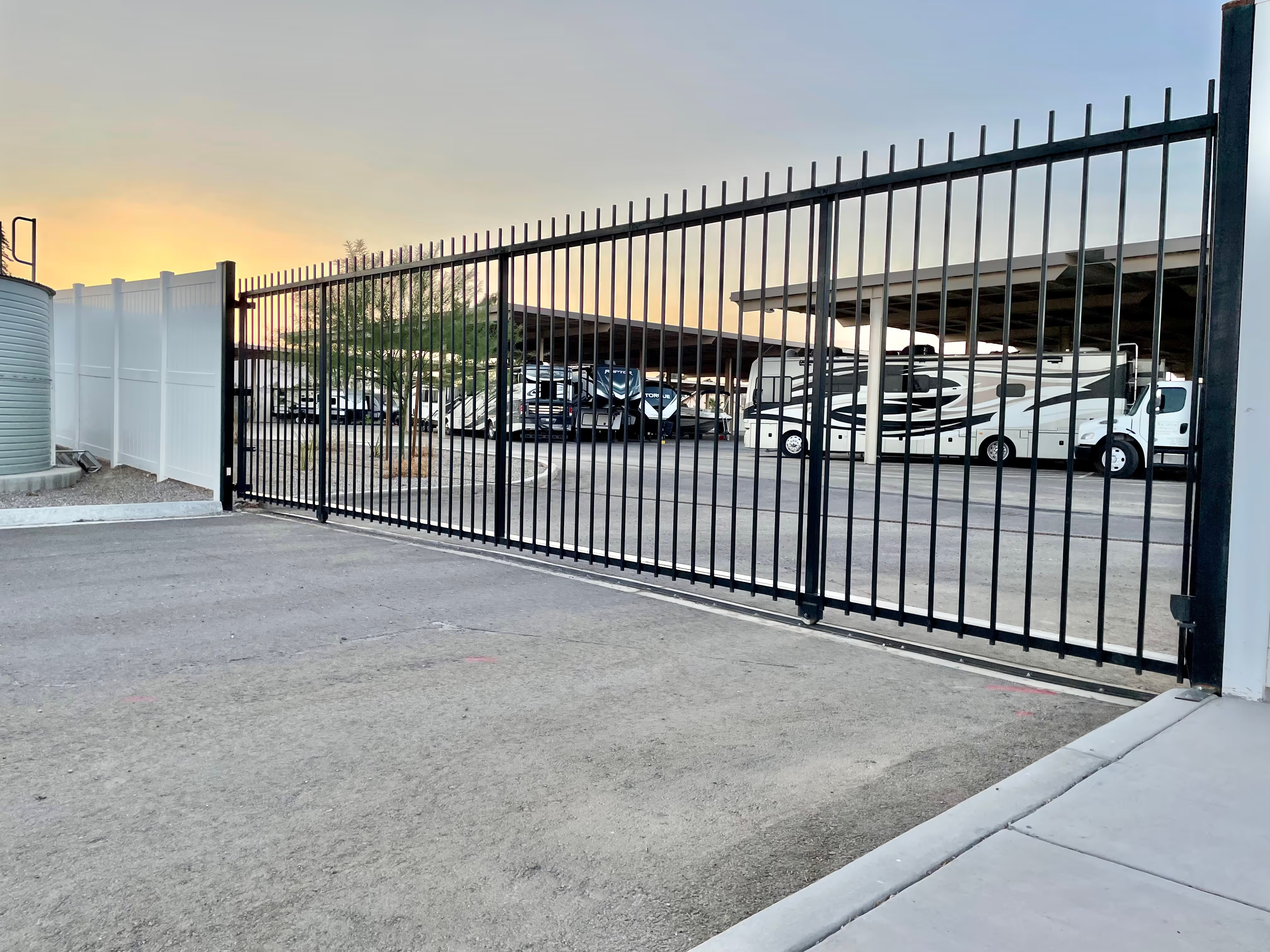
Perimeter fencing creates a physical barrier around the property. Gated access with unique codes ensures only authorized people can enter. You'll receive your own code, which works like a key to the facility.
Security cameras monitor the property 24/7, and adequate lighting throughout the lot discourages unwanted activity after dark.
These features work together to protect your investment while it's stored, giving you confidence that your RV or boat stays safe between adventures.
What Are Access Hours and Rules?
Access policies vary by facility. Many offer flexible daily access, typically from early morning (around 6 AM) to evening (around 9 PM). This schedule works well for weekend travelers who want to prep their boat Friday evening or return Sunday night.
Some facilities provide 24/7 access using secure gate codes, letting you retrieve your RV whenever inspiration strikes for a spontaneous camping trip.
Understanding access rules before you rent prevents frustration. If you often take off for early morning fishing trips, you'll want to confirm the gate opens before dawn.
Can I Visit or Inspect the Space Before Renting?
Most reputable vehicle storage providers welcome tours. Seeing the space in person lets you verify it fits your vehicle's dimensions and meets your expectations for cleanliness and security.
During your visit, check the pavement condition, lighting quality, and how easily you can maneuver in and out. This firsthand look builds confidence in your choice and helps avoid surprises later.
Can I Store Additional Items With My RV or Boat?
Many owners want to keep seasonal gear, like water skis, fishing rods, or camping equipment, alongside their vehicle. Policies vary by facility, so ask about this upfront.
Some locations allow you to store items inside your RV or boat, but prohibit leaving loose equipment in the parking space. Others offer flexibility for keeping accessories nearby. Clarifying these rules prevents misunderstandings down the road.
What Should I Do Before Storing My RV or Boat?
Proper preparation helps your vehicle stay in great condition:
- Remove all perishable food items to prevent attracting pests
- Turn off electronics and appliances to save battery life
- Secure or remove loose items that could shift or fall
- Consider draining water systems if storing through winter
Taking these steps protects your investment and ensures your RV or boat is ready when you return for your next adventure.
Are There Any Restrictions on Vehicle Use While in Storage?
RV and boat storage facilities are designed for parking, not living or working. You can't use your RV as a temporary home or set up camp on the property. Extended maintenance projects, like engine overhauls or major repairs, are typically restricted as well.
Quick tasks like checking tire pressure or loading supplies are usually fine, but anything more involved should happen elsewhere. These rules keep the facility safe and functional for all customers.
Ready to Find the Perfect Storage Space?
Choosing the right RV and boat storage protects your vehicle and simplifies your life. Whether you need basic uncovered parking or premium enclosed protection, understanding your options helps you make the best choice.
Ready to explore available spaces? Visit Ameripark's rental page to find the perfect spot for your RV or boat today.